39 msg on food labels
abcnews.go.com › healthHealth News | Latest Medical, Nutrition, Fitness News - ABC ... Get the latest health news, diet & fitness information, medical research, health care trends and health issues that affect you and your family on ABCNews.com Sneaky Names For MSG (Check Your Labels!) The FDA does not require manufacturers to label these foods MSG unless the "added ingredient" is 99% pure MSG. If MSG is produced as a result of protein hydrolysis or a byproduct of protein processing, the FDA does not require MSG to appear on the label.
7 Hidden Messages In Packaged Food Labels — Eat This Not That According to Mayo Clinic, limit your saturated fat count to less than 10 percent of calories a day. As for trans fat, while some trans fats are created naturally in some foods (but in very small amounts), most items with partially hydrogenated trans fat can increase blood cholesterol, LDL cholesterol, and triglyceride levels.
Msg on food labels
MSG: Industry's FDA - Truth in Labeling If MSG was ever identified on food labels, consumers might notice that MSG was possibly causing or exacerbating illness and disease; and exposing that fact would cost the glutamate industry billions of dollars in lost revenues. So researchers are hired to turn out research that claims to have demonstrated the safety of MSG; physicians ... The 16 Fake, Sneaky Names Food Companies Use For MSG - Off The Grid News Here are some of the names they use to disguise MSG: glutamic acid. monopotassium glutamate or simply "glutamate". yeast extract or yeast nutrient. hydrolyzed proteins (hydrolyzed vegetable protein, animal protein or plant protein) soy protein isolate and soy protein concentrate. › en › health-canadaFood Additives - Canada.ca However, on December 14, 2016, Health Canada changed the Food and Drug Regulations in order to remove the option of using the word “colour”. This means that added food colours will have to be declared by their specific common name. Manufacturers have been given a five year transition period for changing food labels.
Msg on food labels. 8 Foods with MSG (Monosodium Glutamate) - Healthline The FDA mandates that MSG must be labeled by its usual name of monosodium glutamate when used as an ingredient in food. Foods that naturally contain MSG, such as tomato products, protein isolates,... Understanding Ingredients on Food Labels - American Heart … 06.03.2017 · Food labels are an important source of information about calories and the nutritional value of the foods you eat, a crucial tool in building a heart-healthy diet. The Nutrition Facts information is always displayed in the same orderly fashion and helps you understand how much of certain nutrients that you need to limit are contained in the product per serving. Vegetable Enzymes mean MSG on your Food Label Vegetable Enzymes mean MSG on your Food Label Written by adminon March 12, 2009in Blog Enzymes are another way to add MSG (free glutamic acid) to foods and make it sound more natural. The food manufacturers don't need to list "Monosodium Glutamate" or anything else that might sound scary to the consumer. Consumer Updates | FDA - U.S. Food and Drug Administration 05.10.2022 · The site is secure. The https:// ensures that you are connecting to the official website and that any information you provide is encrypted and transmitted securely.
Why is MSG Dangerous and What are all the Names it Hides Under? While that's easy to do in a Chinese restaurant, as long as you remember to ask, I was shocked to find this list of other names MSG hides behind on ingredient labels: Glutamate Glutamic acid Monopotassium glutamate Calcium glutamate Monoammonium glutamate Magnesium glutamate Natrium glutamate (natrium is Latin/German for sodium) Hidden by Sneaky New Names: Here's How to Identify MSG on the ... The FDA requires that food manufacturers list the ingredient "monosodium glutamate" on food labels, but they do not have to label ingredients that contain free glutamic acid (even though this is the main component of MSG). Hidden MSG Ingredients: Did you know that there are over 40 labeled ingredients that contain glutamic acid? › looking-at-labelsLooking at labels - British Nutrition Foundation From 1 October 2021, changes to allergen labelling requirements, also known as Natasha’s Law, came into force for food that is prepacked for direct sale (food which is packaged at the same place it is offered or sold to consumers and is in this packaging before it is ordered or selected, such as sandwiches, bakery products and fast food). Names for Monosodium Glutamate (MSG) to Know | livestrong Sometimes MSG can be labeled as E621 in products, Jaelin says. The food industry started using this label in the 1960s when rumblings about the "negative effects" of the additive began taking root. If sodium is what you're concerned about, MSG actually has 12 percent sodium — 2/3 less than table salt, Jaelin says. 2. Yeast Extract
Where is MSG Hidden - Truth in Labeling These are the names of some of the MSG-containing ingredients often found in Health Food stores: amino acids (They almost invariably contain glutamic acid.) autolyzed yeast citric acid glutamate glutamic acid hydrolyzed protein monopotassium glutamate monosodium glutamate protein whey protein concentrate There are also chelates. 6 Everyday Foods That Contain MSG - EcoWatch Monosodium glutamate is one of the most widely-used and controversial food additives approved by the FDA. MSG is categorized as "generally recognized as safe" (GRAS) for use in food products, but some people choose to avoid it for fear of adverse health effects. The FDA specifies that MSG must be listed on the nutrition label as an ingredient. Is Monosodium glutamate always listed on labels? - USDA Is Monosodium glutamate always listed on labels? Jul 17, 2019 Knowledge Article Yes, Monosodium glutamate (MSG) must be declared as "monosodium glutamate" on meat and poultry product labels. MSG is a flavor enhancer. It comes from a common amino acid, glutamic acid. Q. Some foods are labelled 'no MSG'. What does MSG stand for and is it ... Some foods are labelled 'No MSG'. What does MSG stand for and is it bad for our health? A. MSG stands for monosodium glutamate or additive code number 621. It is used by the food industry and restaurateurs as a flavour enhancer - it doesn't have a flavour of its own but makes the food more savoury and 'meaty'.
MSG Goes by Many Different Names
› nutrition › msg-headacheDoes MSG Cause Headaches? - Healthline Mar 19, 2020 · Monosodium glutamate (MSG) is a controversial food additive that’s used to enhance the flavor of dishes, especially in Asian cuisine. Although the Food and Drug Administration (FDA) has labeled ...

The dangers of MSG | Food | Jamaica Gleaner
msg on food labels Archives - Best Natural Stuff Monosodium Glutamate MSG is a flavor enhancer, it can trick the brain into thinking bad tasting food, tastes good and it's extremely addictive. Most people associate this ingredient with Chinese food or extra salty seasonings which is true, but it's used READ MORE Post Tags:
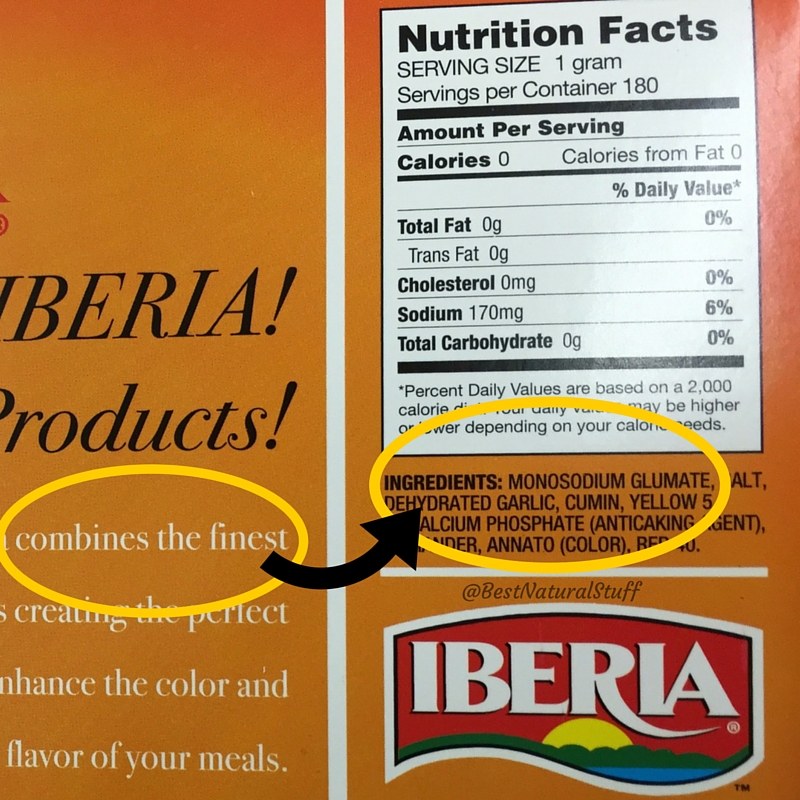
What does MSG do to you? - Best Natural Stuff
Questions and Answers on Monosodium glutamate (MSG) | FDA - U.S. Food ... While FDA requires that these products be listed on the ingredient panel, the agency does not require the label to also specify that they naturally contain MSG. However, foods with any ingredient...
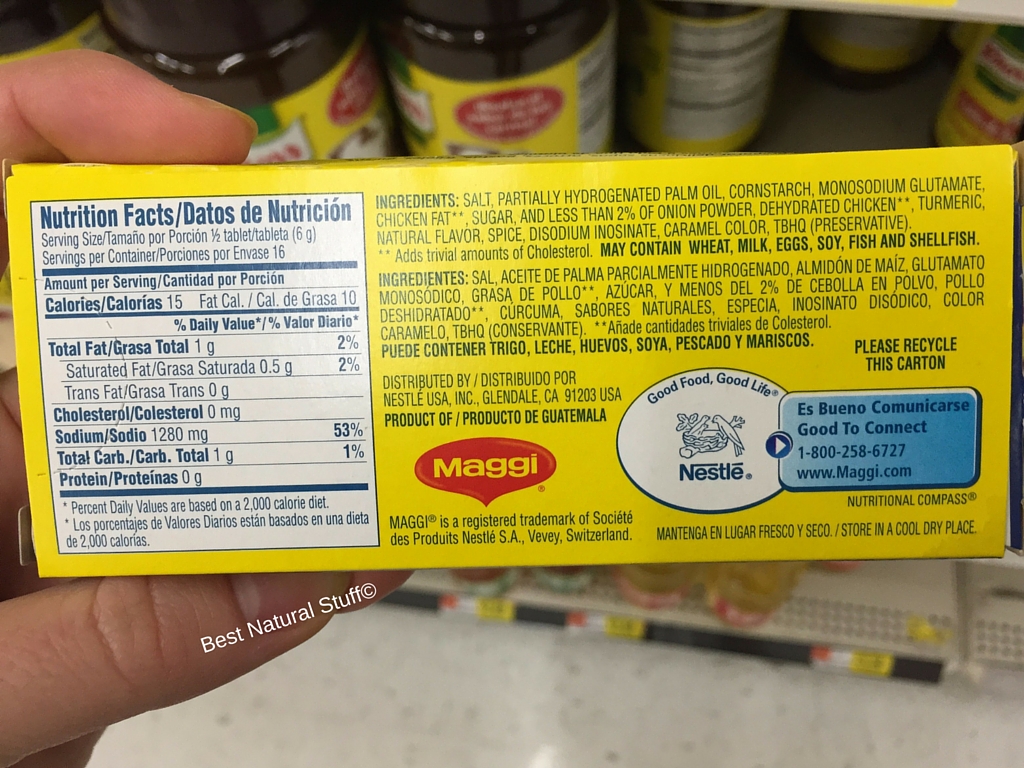
What does MSG do to you? - Best Natural Stuff
PDF No MSG" labels on foods containing glutamate are misleading Negative MSG claims on products with detectable glutamate: are misleading, because "No MSG" or "No added MSG" leaves consumers with the impression that product does not contain glutamate. undermine perception of MSG, feed distrust of the general public to food companies, and decrease standing of regulatory bodies.
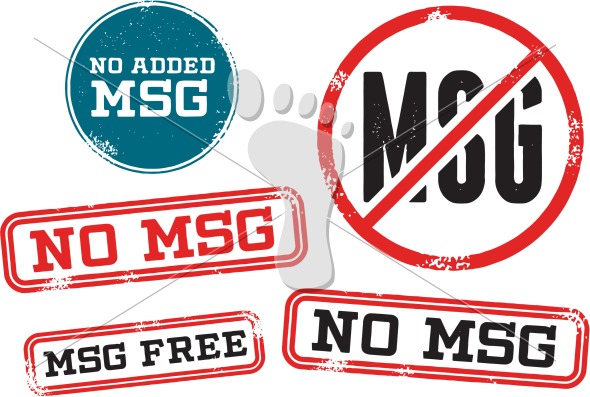
The 90 Names For MSG In Food | BeWellBuzz
Hidden Sources of MSG (Monosodium Glutamate) on Food Ingredient Labels Please study and pass this crucial list on to your friends and family. These ALWAYS contain MSG: Glutamate Glutamic Acid Monosodium Glutamate Monopotassium Glutamate Yeast Extract Yeast Food Yeast Nutrient Autolyzed Yeast Autolyzed Yeast Extract Torula Yeast Autolyzed Soy Protein (any protein that is autolyzed)

Natural umami flavours are a clean-label alternative to MSG ...
List of Foods Containing MSG | LEAFtv Food producers label MSG under several names, including yeast extract, hydrolyzed protein, glutamic acid and sodium or calcium caseinate, according to the Health Psychology Department at Vanderbilt University. This can be confusing for people trying to avoid foods containing MSG, making it important to be aware of products that usually contain ...
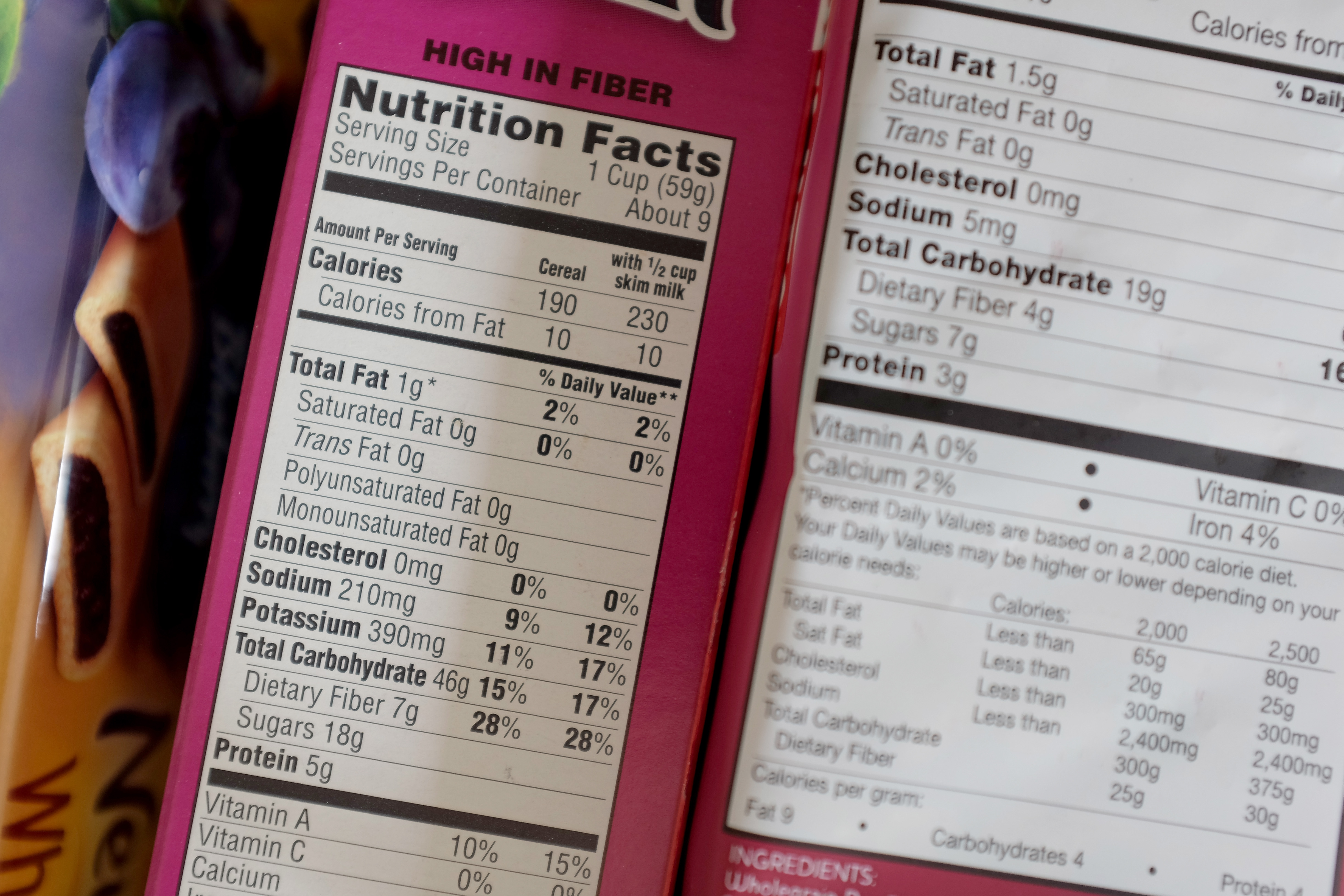
7 Phrases On Food Labels You Should Look Out For, Because ...
MSG: If it's Safe, Why do They Disguise it on Labels? - SixWise.com In terms of labeling requirements, the FDA says that "monosodium glutamate" must be listed on the label only if MSG is added to a food. However, it's misleading for a manufacturer to list "No MSG," or "No Added MSG" on foods if sources of free glutamates, like hydrolyzed protein, exist, they say. Further, items listed as "flavors," "natural ...

Do You Really Know What You're Eating?: Mierda! What is MSG ...
Over 34 Hidden Names for MSG - Foods That Heal You 34 Hidden Names For MSG Always Contains MSG monosodium glutamate potassium glutamate autolyzed yeast yeast extract yeast food yeast nutrient hydrolyzed vegetable protein hydrolyzed protein hydrolyzed plant protein hydrolyzed oat flour plant protein extract sodium caseinate calcium caseinate textured protein Often Indicates MSG maltodextrin

8 Foods with MSG (Monosodium Glutamate)
› guide › 623Food Certifications & Labels Guide (Kosher, Halal & More) What is MSG? Monosodium glutamate (MSG) is glutamic acid in salt form, an amino acid found naturally in the body and in many food products. It is commonly used to enhance the flavor of foods. MSG is FDA approved, and scientific research has been conducted in an attempt to understand the potential effects of MSG.
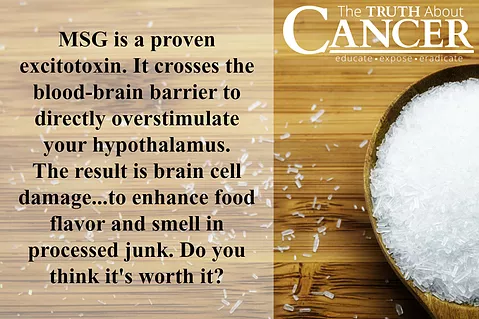
Over 34 Hidden Names for MSG - Foods That Heal You
List of MSG-Free Foods | livestrong Numerous prepackaged foods have MSG on their ingredient labels. If you consume a meat or poultry entree, a casserole or vegetable side dish or even a snack, MSG is probably part of the food's chemical makeup. Prepared entrees and side dishes, frozen foods, canned and cured meats and smoked sausages contain this flavor enhancer.

Dirty Little Secret
5 High MSG Foods to Avoid - WebMD Monosodium glutamate (MSG) is added to many foods to enhance flavor. MSG is commonly found in canned foods, soups, fast foods, and processed foods. While MSG is generally considered safe to consume...

What's Wrong with Vegenaise - Hidden MSG in Vegan Foods ...
Monosodium glutamate (MSG) and other sources of glutamate in foods ... There are no labelling requirements for foods that contain naturally occurring free glutamate. MSG is a food ingredient. It would appear in the list of ingredients, which are in decreasing order. Claims such as "contains no MSG ", "no MSG added" and "no added MSG " are misleading. Other added sources of glutamate include: soya sauce

Why is MSG so Bad for You? | Nourish
› en › health-canadaFood Additives - Canada.ca However, on December 14, 2016, Health Canada changed the Food and Drug Regulations in order to remove the option of using the word “colour”. This means that added food colours will have to be declared by their specific common name. Manufacturers have been given a five year transition period for changing food labels.
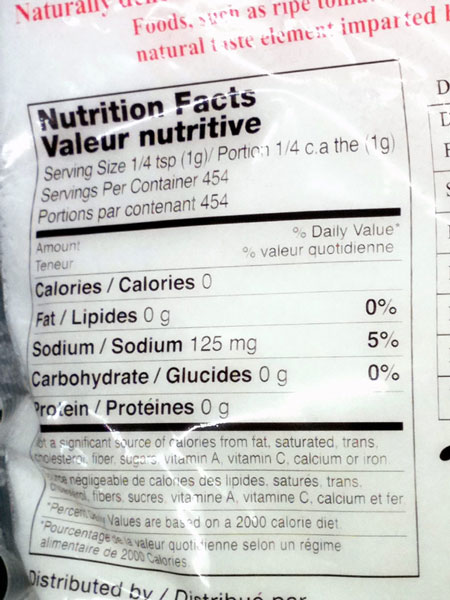
Vietnamese Pho With No Monosodium Glutamate (MSG)? Sure You ...
The 16 Fake, Sneaky Names Food Companies Use For MSG - Off The Grid News Here are some of the names they use to disguise MSG: glutamic acid. monopotassium glutamate or simply "glutamate". yeast extract or yeast nutrient. hydrolyzed proteins (hydrolyzed vegetable protein, animal protein or plant protein) soy protein isolate and soy protein concentrate.

September 19, 2012 – READ YOUR FOOD LABELS!! | Miami Women ...
MSG: Industry's FDA - Truth in Labeling If MSG was ever identified on food labels, consumers might notice that MSG was possibly causing or exacerbating illness and disease; and exposing that fact would cost the glutamate industry billions of dollars in lost revenues. So researchers are hired to turn out research that claims to have demonstrated the safety of MSG; physicians ...
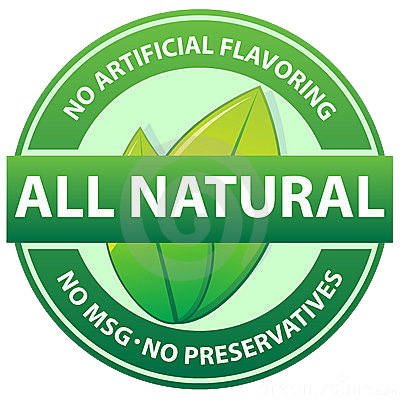
Labels are Misleading | Food Crisis in the United States
No MSG Day-Glo Label - 1000 Pack (512918)

Spice Supreme MSG Monosodium Glutamate, plastic shaker, 4.25-oz.
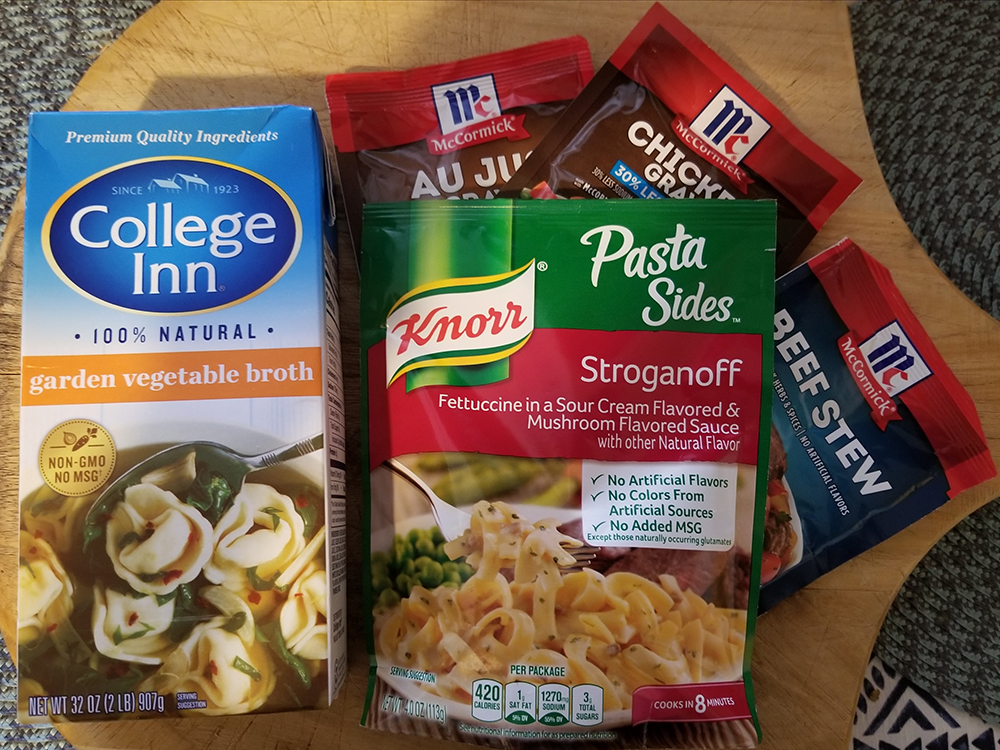
Beware the 'No added MSG' label – Truth in Labeling Campaign Blog
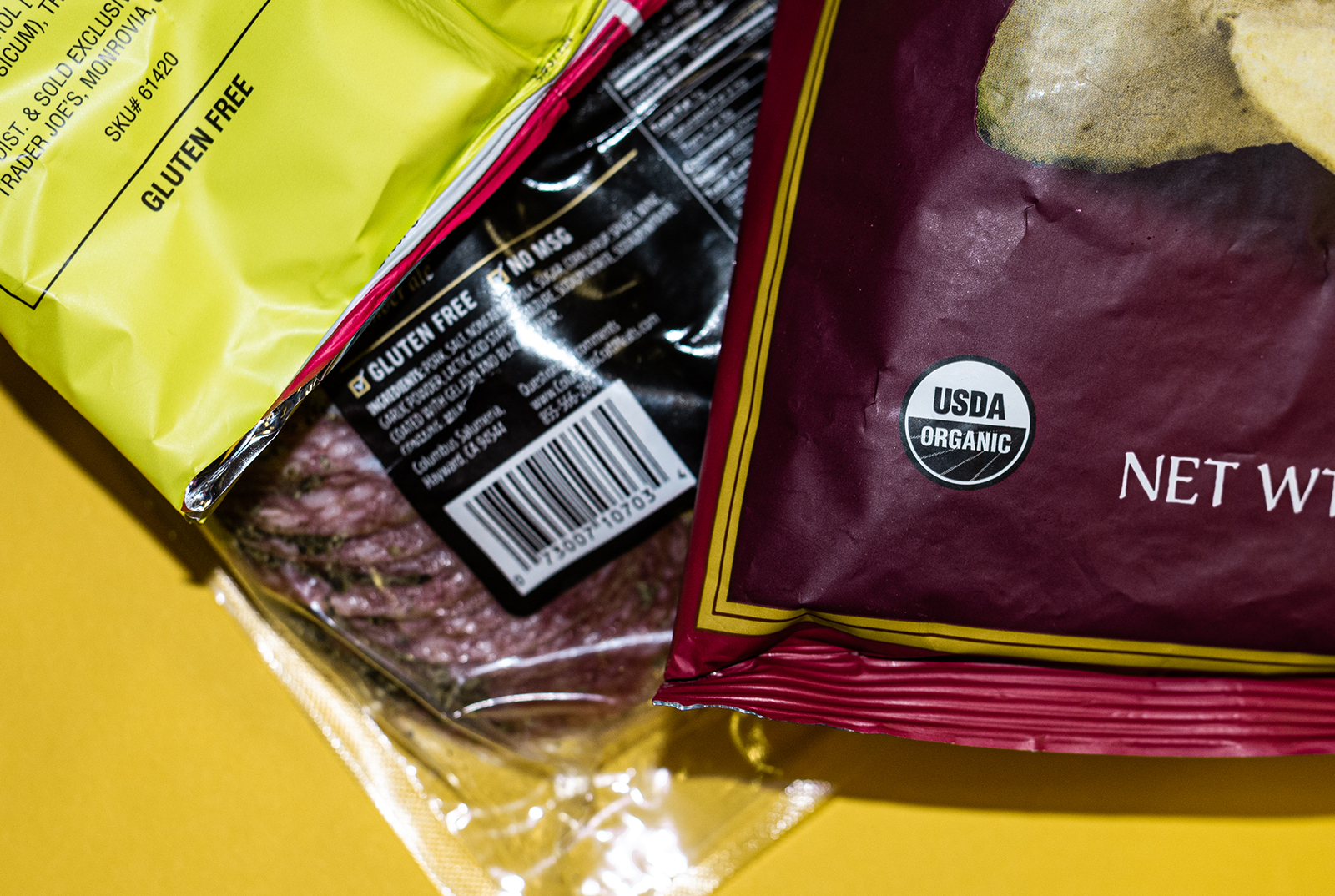
The Quad: Going beyond organic labels on groceries – what ...

Say NO to MSG - Monosodium Glutamate - Index | Food, Health ...
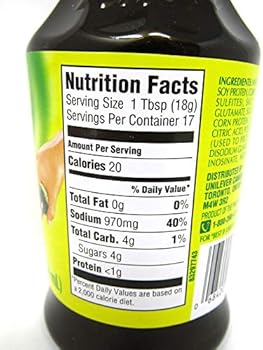
Amazon.com : Altitude Worldwide TWO (2) 16oz Ajinomoto Umami ...

How Big Food hides undesirable chemicals in its clean labels ...

MSG – Food Digest
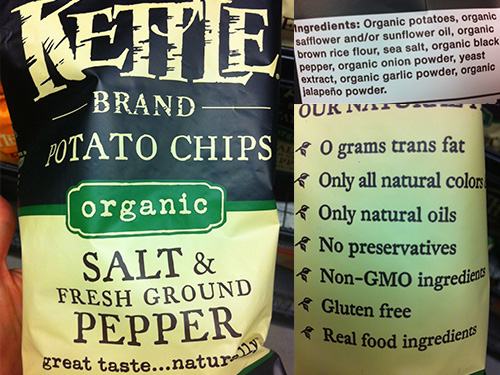
Why I don't buy 90% of the 'food' at Wholefoods - Food ...

Sneaky Names for MSG: Check Your Labels. | elephant journal
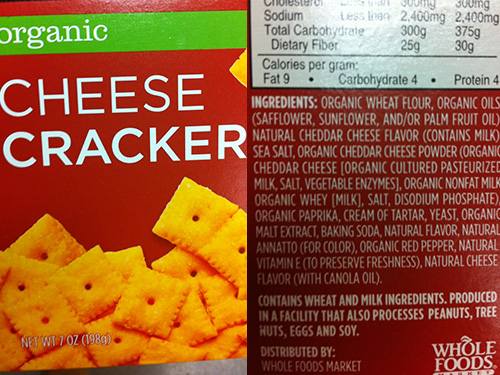
Why I don't buy 90% of the 'food' at Wholefoods - Food ...
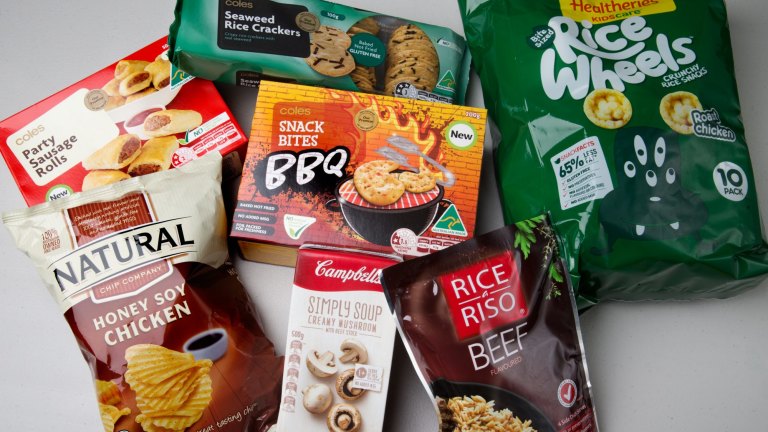
Avoiding MSG? Try memorising the 129 terms food companies ...
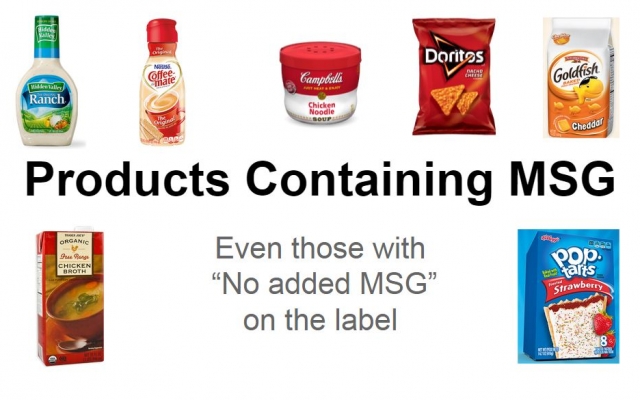
avoiding Chinese food but still consuming MSG? - The ...

Why MSG Is Bad - MSG May Be Tricking You, Here's Why. . .

Is MSG Unhealthy? The Weird Truth + Sneaky Names for MSG ...
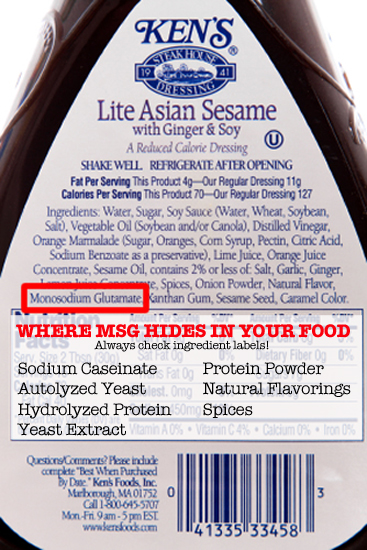
Is MSG Bad for You? The Facts about Monosodium Glutamate Make ...

MSG: Is it harmful? Risks, uses, and more
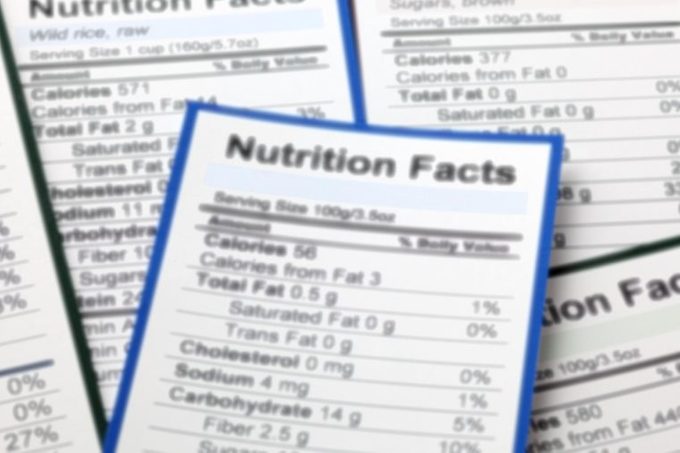
What Is MSG—and How Bad Is It, Really? | The Healthy

Understanding food labels 101 | Heart & Stroke Foundation ...

La Vita Organica: MSG | Migraine diet, Toxic foods, Health

Is MSG Bad For You? The Surprising Truth From a Dietitian
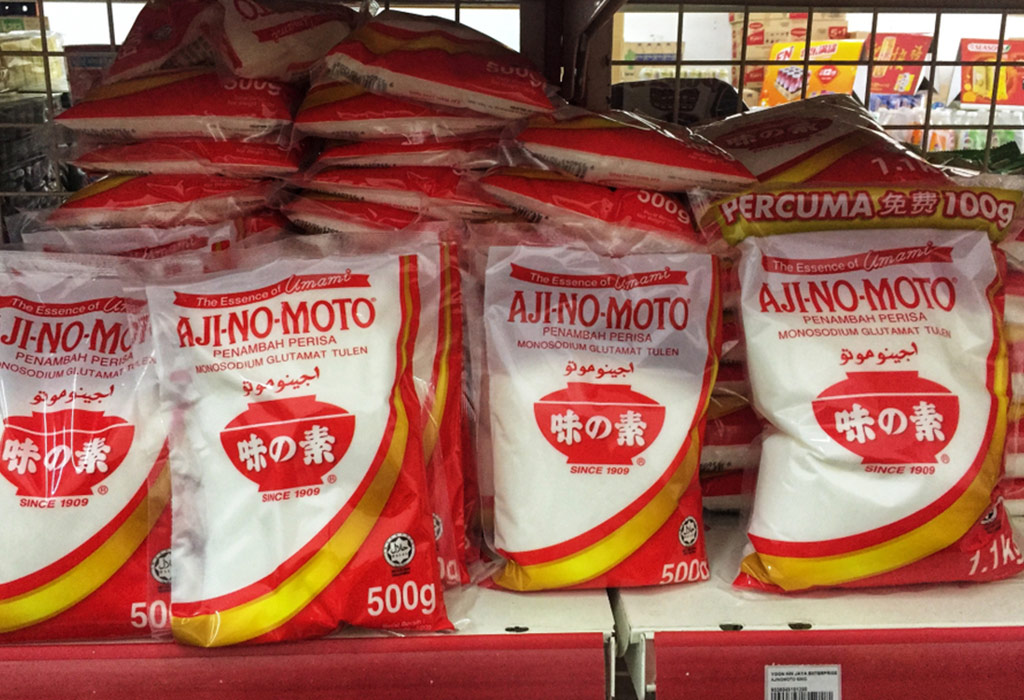
MSG (Monosodium Glutamate): Good or Bad? - The Woks of Life
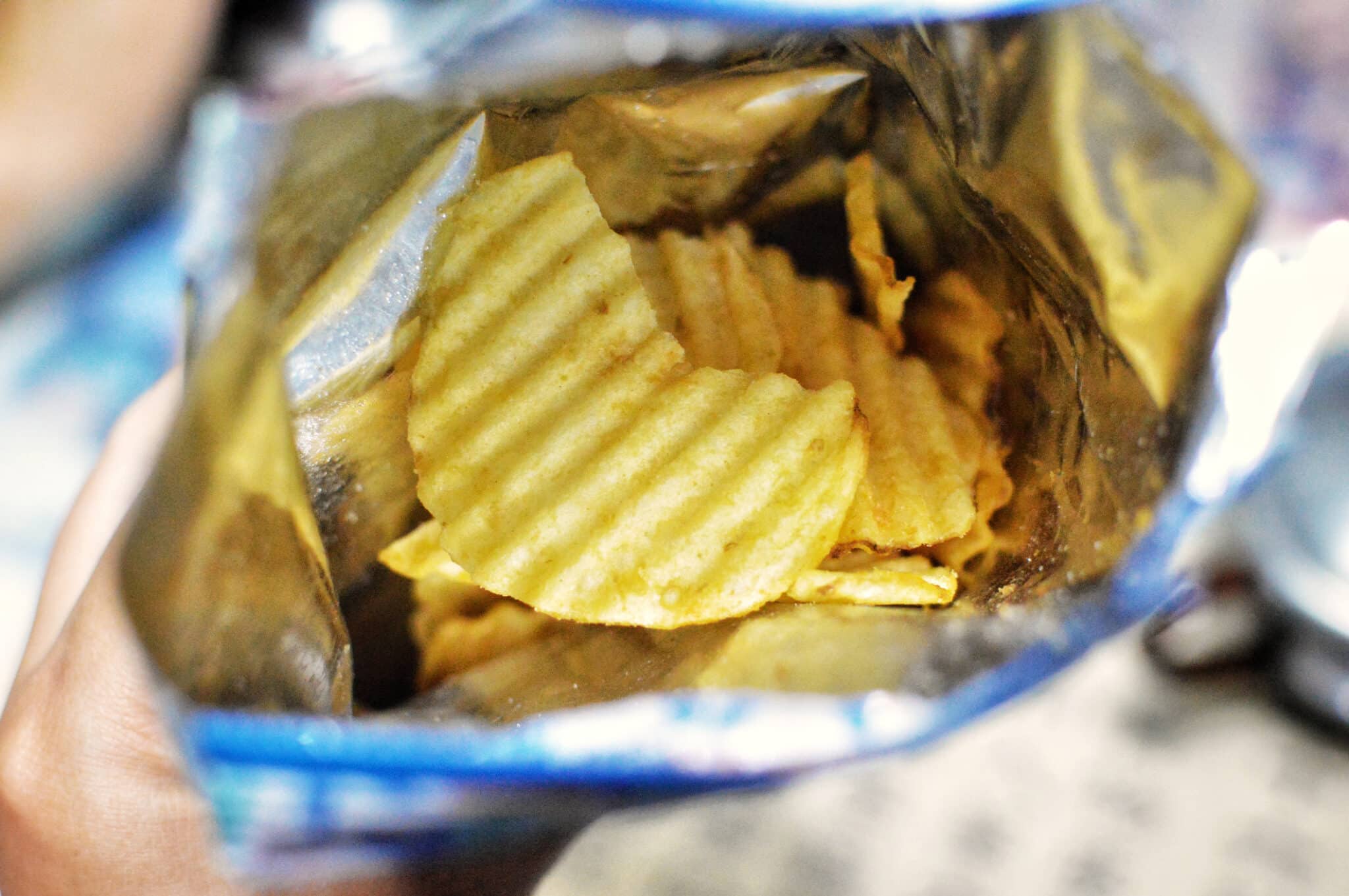
6 Everyday Foods That Contain MSG - EcoWatch
Post a Comment for "39 msg on food labels"