44 how to read calorie labels
How to Read Nutrition Labels Like a Dietitian The number of calories on the label is a measure of the total amount of energy (from carbohydrates, fats, proteins, and/or alcohol) in one serving of the food or beverage. A person's daily calorie needs vary depending on factors such as age, sex, height, weight, and activity level. How to Read a Nutrition Label, According to Dietitians A quick word of caution: The nutrition label is based on a 2,000-calorie diet, and you might need to eat additional or fewer calories based on your unique needs. Regardless, the nutrition facts label can still be useful, as long as you take it with a grain of salt, says Whitney English, M.S., R.D.N. , a registered dietitian nutritionist and the ...
How to read a food nutrition label (correctly) | GQ India How to read a food nutrition label accurately: Serving size The label starts with the total number of servings per container, for this specific food. This is not a recommendation of how much of the...

How to read calorie labels
How to read and understand a nutrition label - CNET Bold text vs. indented text. Bold text on a nutrition label will give you a top-level overview of the nutritional values, and the indented text beneath that breaks it down further. So "Total Fat ... How to Read Nutrition Facts Labels the Right Way - GoodRx Nutrition Facts labels are required to list the total fat, saturated fat, and trans fats on packaged food products. It's important to choose foods with the right kinds of fats. Here are the differences between the fats you'll see on the label. Bad fats Saturated and trans fats are the less healthy types of fats. How to Read Food Labels for a Heart-Healthy Diet The lower the net carbs, the better." Berries: "I usually choose blueberries, which are anti-inflammatory and not as high in sugar as bananas.". Yogurt: "I choose a low-fat brand that's marketed as 'diabetes friendly' on the label, which means it's low in carbohydrates. You get all the benefit of yogurt with far fewer carbs.
How to read calorie labels. PDF How Do I Understand the "Nutrition Facts" Label? Nutrition Facts label and ingredient list. When you go grocery shopping, take time to read the Nutrition Facts labels on the foods you purchase. Compare the nutrients and calories in one food to those in another. The information may surprise you. Make sure you aren't buying foods high in calories, saturated fat, trans fat, sodium and added ... Reading Nutrition Labels - Cronometer This label type can be found on most American branded products. Key features include: Energy measured in Calories only, Convenient serving size measurement (e.g. cups, oz, fl. oz, Tbsp) Vitamin D, Iron, Calcium, Potassium %DV (based on 2000 kcal diet) Some of the Daily Values have changed. How to Read a Dog Food Label - American Kennel Club The quantity listed on the label tells you how much of the food is in the container. This may be measured by weight, liquid measure, or by count. Products can vary in density (think wet food vs.... How to read nutrition facts on food labels? Food Labels to Read. Step 1: Determine the number of servings and the number of calories per serving. The serving size determines all of the information on a food label. Step 2: Determine the amount of fat in the dish. Step 3: Determine the amount of cholesterol in your system. Step 4: Make sure the sodium level is correct (salt).
How to Read a Nutrition Label: The Main Points to Consider - Lakanto A nutrition label can be broken down into six sections. 1. Serving Size The serving size is right under the "Nutrition Facts" title. The bolded line is the recommended serving size for that food product. The serving size is listed in a simple measurement, such as cups and pieces, with its grams or ounces equivalent. How to Read a Nutrition Facts Label | Everyday Health How to Read a Nutrition Facts Label First, know that, as the label itself states, the included nutritional info is based on a 2,000-calorie-a-day diet. Your personal nutritional needs may vary,... How To Read Food Labels - 10 Tips | Pritikin Program For Eating Right Don't be fooled by claims like "99% fat-free" soup or "2% fat" milk. They're based on percent of weight, not percent of calories. So that can of 99% fat-free soup may actually have 77% of its calories from fat, or more. And 2% fat milk actually has about 34% of total calories from fat; 1% milk has about 23% calories from fat. 7. How to Read Food Labels & Count Carbs | Allulose Compare what is shown as serving size to the typical eating occasion of the food or beverage. If you are likely to consume the entire contents, and the label shows two (2) servings per container, don't forget to double everything shown — from calories to fat to carbohydrates. Limit the Calories
How to read Nutrition Labels - Medium Calories/100ml in a drink, or per 100gm in a bar of chocolate mean NOTHING. But we never make the effort to calculate our serving size and this information remains hidden in plain sight. 2.Cal, kCal and kJ. First up, in the nutrition label world. 1 kcal = kilocalorie = 1 calorie. 1 kilo calorie isn't = 1000 calories! How to read nutritional labels - ZS Training If you've read the last 4 issues, you should be able (in theory) to read and understand the nutritional labels on food. Before this point, I wouldn't have blamed you if you said you didn't have a clue what any of it meant - that was me as well before I learned!So, let's first look at what a nutritional label looks like and we can start to break it down.I should point out at this ... Understanding Food Nutrition Labels | American Heart Association Learn what to look for on the label. 1 - Start with the serving information at the top. This will tell you the size of a single serving and the total number of servings per container (package). 2 - Next, check total calories per serving and container. How to Read Nutrition Labels — Medical Weight Loss Clinic One serving of food with 5% or less of the daily value is considered low. One serving of a food with 20% or more of the daily value is considered high. The Percent Daily Value is based on a daily diet of 2,000 calories. You will need to adjust the percentages if you eat more or less than 2,000 calories per day.

How to Read Food Labels Without Feeling Overwhelmed « Kimberly Snyder
How to read food labels: MedlinePlus Medical Encyclopedia If you eat 2 cups (0.48 liters) at a meal, you are eating 2 servings. That is 2 times the amount of the calories, fats, and other nutrients listed on the label. Calorie information tells you the number of calories in 1 serving. Adjust the number of calories if you eat smaller or larger portions.

Diabetic Diet Monthly Menu | Salemfreemedclinic Diabetes
How To Read A Nutrition Label - Good Food Made Simple The % Daily Value puts nutrients on a scale from 0 to 100% and can be found on the right side of the label. This value essentially explains how much of a particular nutrient is in a serving of food. If something contains 5% Daily Value or less, it's considered a small amount, whereas 15% Daily Value is a lot.
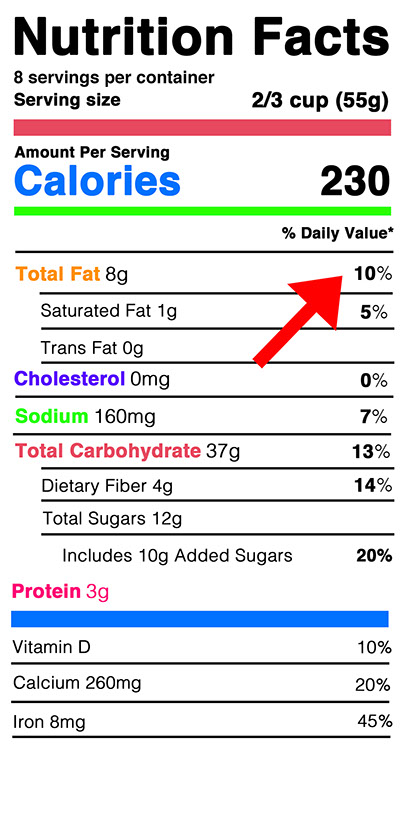
Calorie Outline, Portion Control, and Label Reading Module | Warrior Lifestyle Program
How To Read Food and Beverage Labels | National Institute on Aging At the top of the Nutrition Facts label, you will find the total number of servings in the container and the food or beverage's serving size. The serving size on the label is based on the amount of food that people may typically eat at one time and is not a recommendation of how much to eat. Read more about serving and portion sizes.

Are the Calorie Counts on Food Labels Accurate? | Discover Magazine
The Basics of the Nutrition Facts Label

Panama Canal Cruise Sunday- February 22, 2009- Ft. Myers, Florida. We were up early, finished ...
How to Read Nutrition Labels - Verywell Fit The column on the right side of the nutrition label has numbers displayed in percentages. The numbers listed under "% Daily Value" tell you how much a particular nutrient contributes to your total daily diet if you consume 2,000 calories per day. If you consume more or less than 2,000 calories per day, these figures will not be accurate for you.
:max_bytes(150000):strip_icc()/Untitled-design-1--57535a9a5f9b5892e8c4a7b4.jpg)
32 How To Calculate Calories From Food Label - Labels 2021
Nutrition Facts: How to Read Nutrition Labels - Greatist Here are some to look for: Calorie-free: Less than 5 calories per serving. Low calorie: 40 calories or less per serving. Reduced calorie/fat: At least 25 percent less calories/fat than the ...
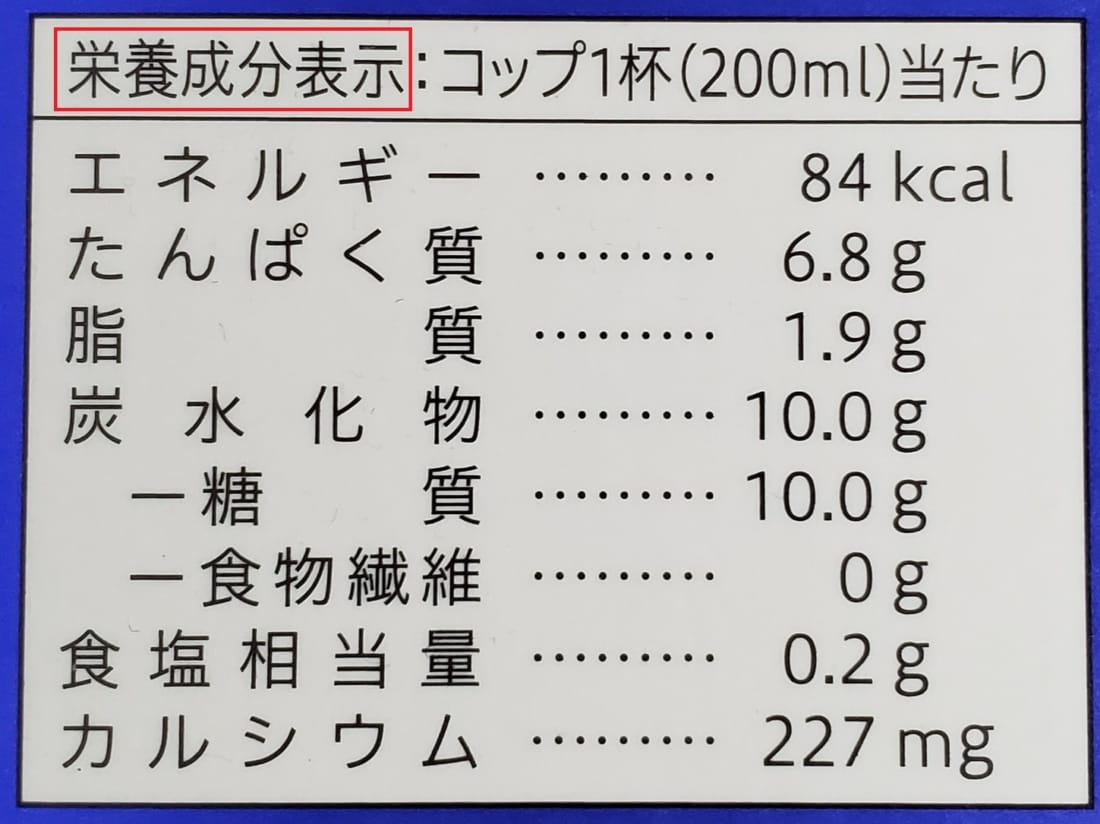
Tokyo Guide: How To Read Japanese Food Labels | Tokyo Weekender
How to Read Nutrition Facts Label - Food Network If you want to figure out the grams of fat that it will take you to get about 30% of fat in your diet each day do the following: Estimate your total calories for the day. Let's say that number is...
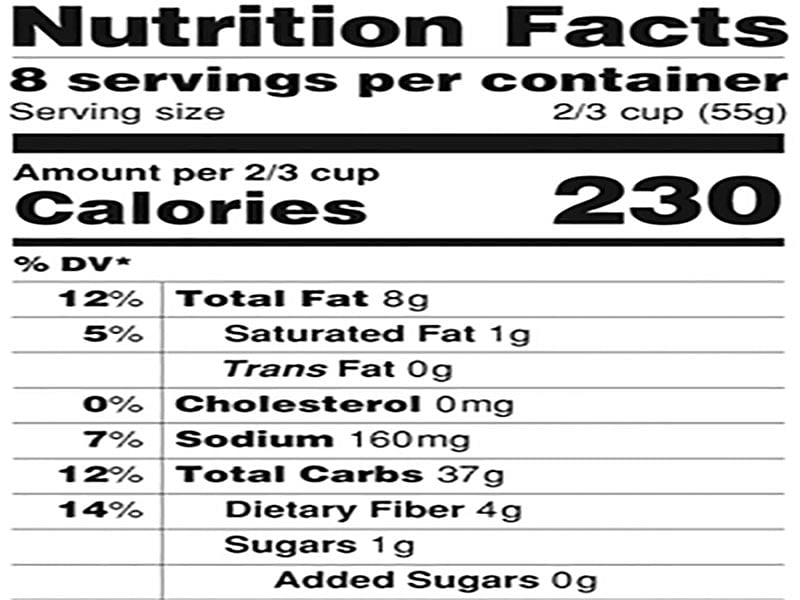
Be Sure to Read Labels for Portion, Calorie Control - Consumer Health News | HealthDay
How to Understand and Use the Nutrition Facts Label | FDA When looking at the Nutrition Facts label, first take a look at the number of servings in the package (servings per container) and the serving size. Serving sizes are standardized to make it easier...

Food Labels
How to Read Food Labels + Nutrition Facts • Healthy.Happy.Smart. Detailed Guide on how to Read Food Labels This involves dissecting the information on the food label to know the nutritional content of the food. This information contains all of the following: serving size servings per container/package calories Fats, saturated fats, trans fats sodium protein carbohydrates dietary fiber sugars
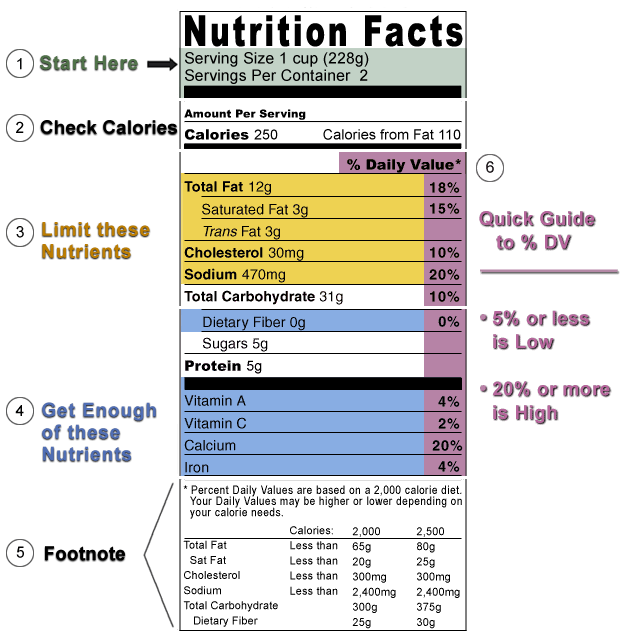
Winnsboro Medical Clinic | Reading Nutrition Labels
How To Read Food Labels: Understanding the Basics - Instacart The nutrition facts table is usually found on the rear or the side of the label. This is perhaps the most useful part of a food label, providing a detailed breakdown of the product's nutritional content, including calories, protein, carbohydrates, fat, and more. 1. Beware of misleading claims
Customers probably read calorie data to make right dietary choices - Health Jockey
How to Read Food Labels Without Being Tricked - Healthline Nutrition labels state how many calories and nutrients are in a standard amount of the product — often a suggested single serving. However, these serving sizes are frequently much smaller than what...

Amazon.com : Mr. Spice Organic Honey BBQ Sauce - Salt-Free Barbecue Sauce - Fat-Free Marinade ...
How to Read Food Labels for a Heart-Healthy Diet The lower the net carbs, the better." Berries: "I usually choose blueberries, which are anti-inflammatory and not as high in sugar as bananas.". Yogurt: "I choose a low-fat brand that's marketed as 'diabetes friendly' on the label, which means it's low in carbohydrates. You get all the benefit of yogurt with far fewer carbs.
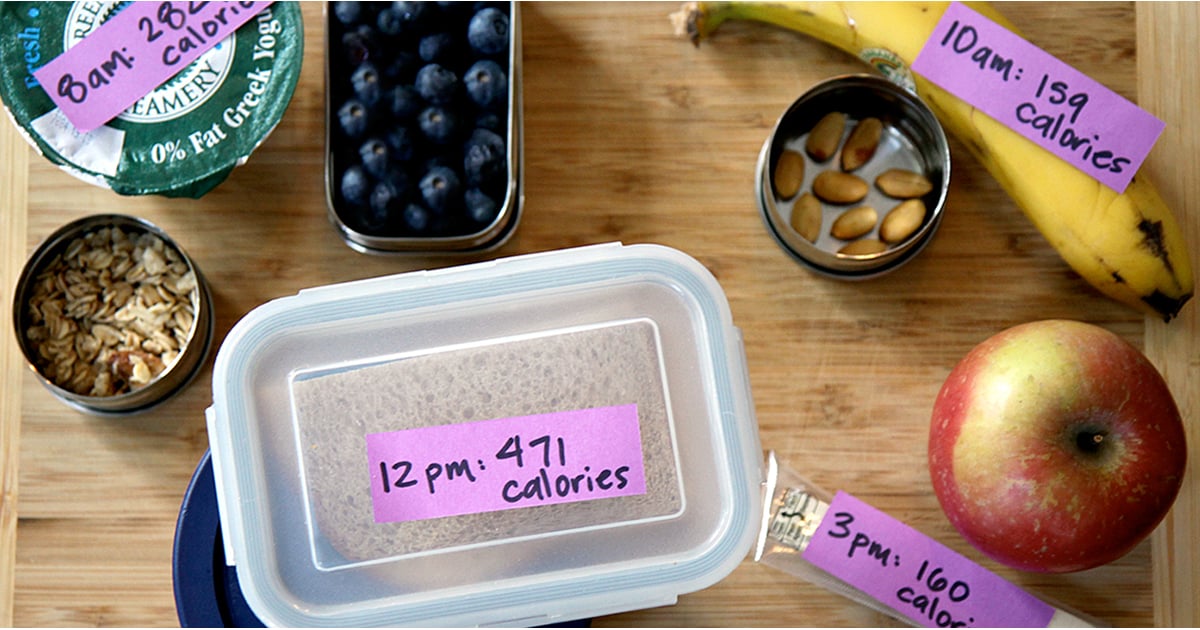
Make Food Labels With Calorie Counts | POPSUGAR Fitness
How to Read Nutrition Facts Labels the Right Way - GoodRx Nutrition Facts labels are required to list the total fat, saturated fat, and trans fats on packaged food products. It's important to choose foods with the right kinds of fats. Here are the differences between the fats you'll see on the label. Bad fats Saturated and trans fats are the less healthy types of fats.
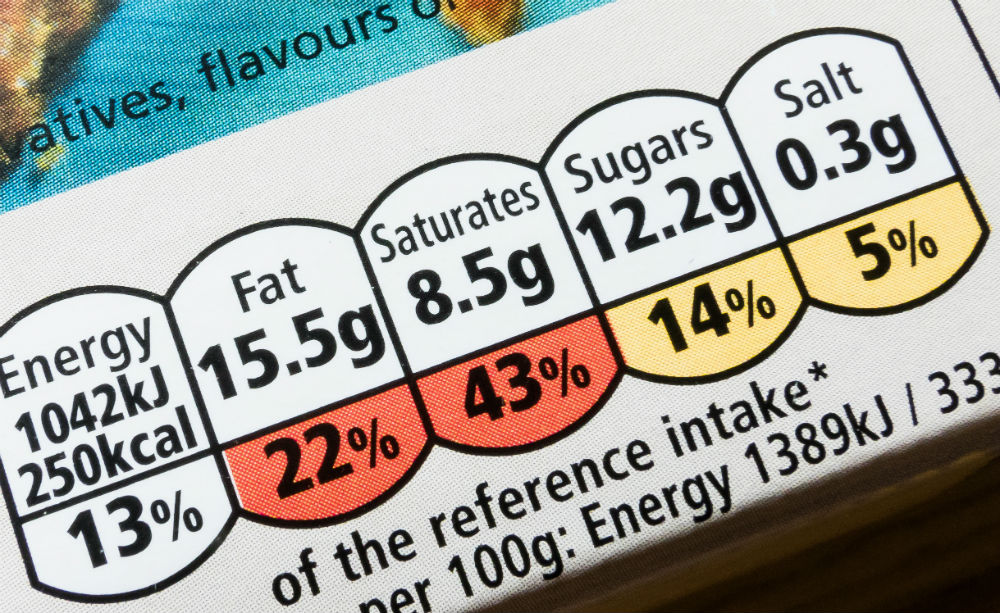
RSPH | Blog: The argument for the introduction of calorie labelling
How to read and understand a nutrition label - CNET Bold text vs. indented text. Bold text on a nutrition label will give you a top-level overview of the nutritional values, and the indented text beneath that breaks it down further. So "Total Fat ...

How to Do an Elimination Diet: 5 Keys for Success
Post a Comment for "44 how to read calorie labels"